Buying a Home in Greater Palm Springs? What to Know Before You Buy
From sun exposure and architecture to inspections, rental restrictions, and resale, a local guide to choosing a desert property with confidence.
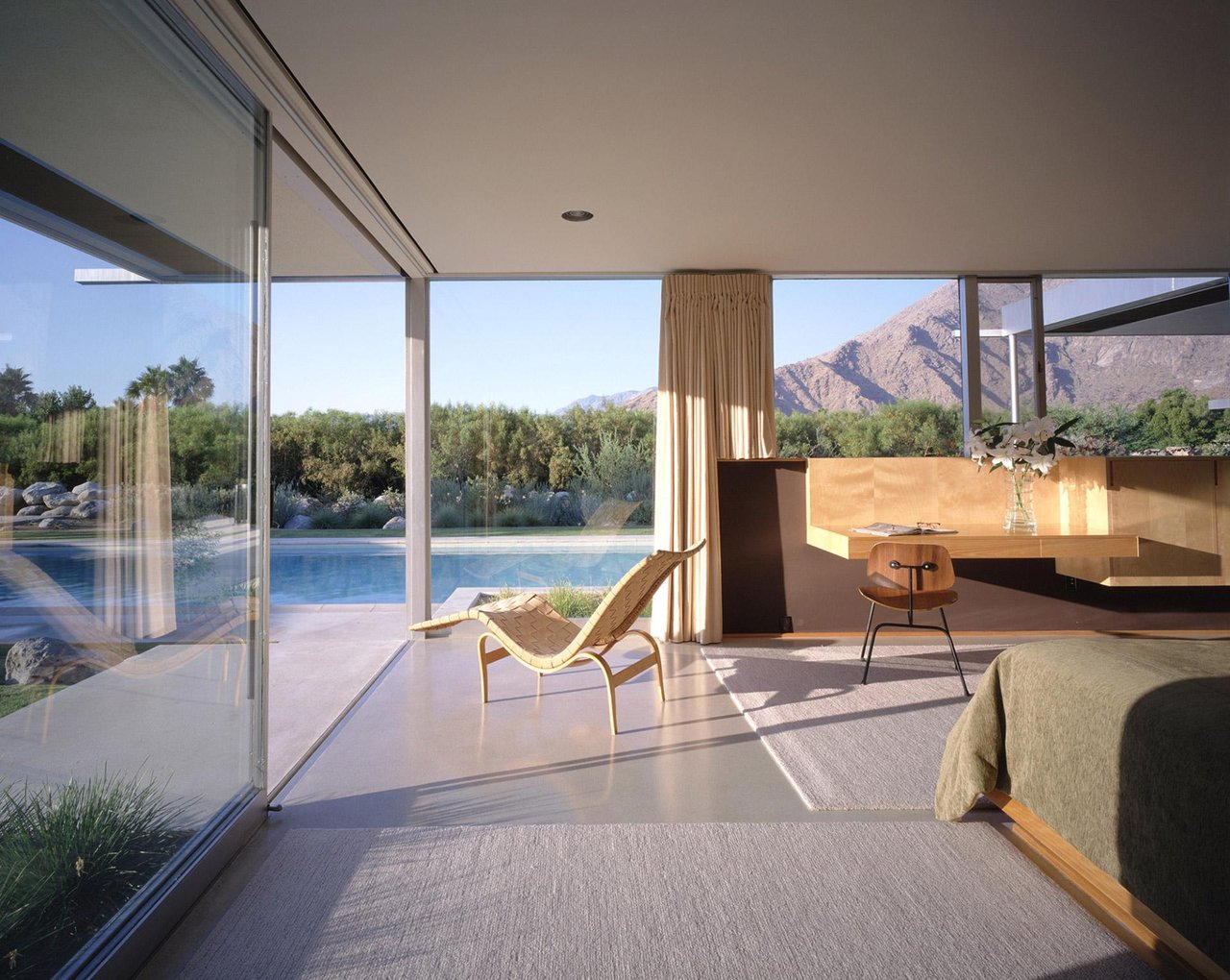
A beautifully designed home can make an immediate impression. The mountains framed through a wall of glass. A pool that seems to disappear into the landscape. A terrace made for long evenings outdoors.
These are some of the reasons people fall in love with Greater Palm Springs.
But the details that make a home exceptional to look at aren't always the same details that make it exceptional to own.
In the Coachella Valley, two properties with similar prices, square footage, and finishes can offer entirely different experiences. The difference may be something as simple as where the afternoon sun falls—or as consequential as a private club obligation, an aging cooling system, or a restriction on how the property can be used.
If you're buying a home in Palm Springs, La Quinta, Indian Wells, Palm Desert, Rancho Mirage, or elsewhere in the desert, the most important questions concern location, orientation, condition, operating costs, property restrictions, and long-term resale appeal.
Here's how to look beyond the listing photographs and evaluate what you're actually buying.
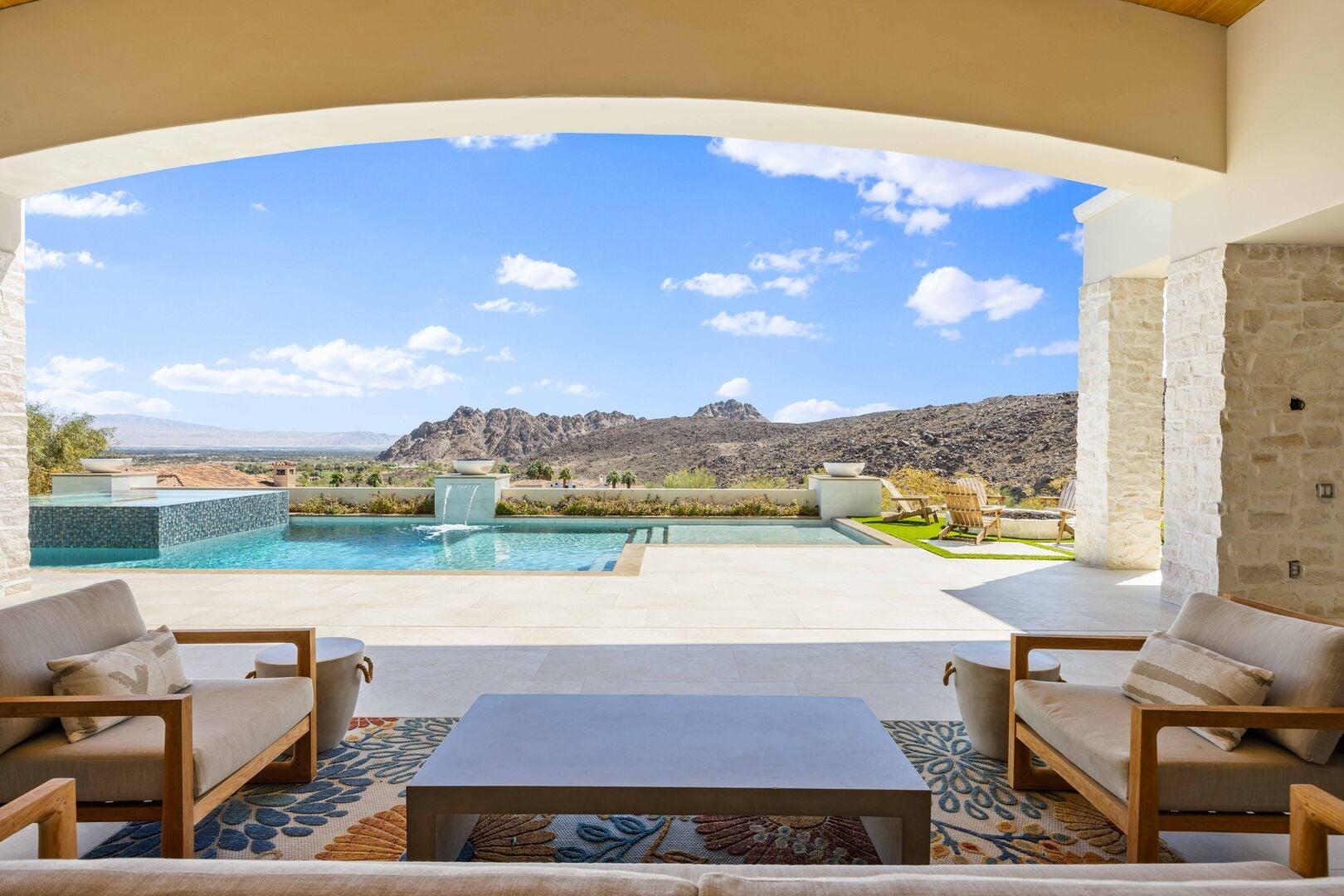
There's no universally ideal direction. But in the desert, orientation deserves more attention than many buyers initially give it.
A west-facing terrace may frame a remarkable sunset while receiving intense afternoon sun in summer. A north-facing patio may offer welcome shade but feel different in winter. A south-facing outdoor area can capture desirable winter sunlight, depending on the surrounding architecture and landscape.
The right exposure depends on the property and how you intend to use it.
Before purchasing, ask:
An important distinction: Mountain views and practical outdoor living aren't always the same thing.
A dramatic view is valuable to the experience of a property. But so is being able to comfortably enjoy it.
The McLennan perspective: Don't evaluate outdoor space only at the time of your showing. When possible, consider how the home performs at different times of day and throughout the seasons.
One of the biggest mistakes a buyer can make is choosing a house before fully understanding its location.
The Greater Palm Springs area offers distinctly different residential environments.
La Quinta includes Old Town neighborhoods, golf-oriented developments, established residences, and private estate communities. Living near Old Town is a different proposition from owning in PGA WEST or a private club.
Indian Wells is known for established residential communities, private clubs, and resort-oriented amenities. Club requirements and neighborhood character deserve close evaluation.
Palm Desert offers a broad mix of housing and proximity to everyday conveniences, including shopping, restaurants, and services around El Paseo.
Rancho Mirage includes estate properties, established golf communities, and homes where lot size, privacy, and orientation can be significant factors.
Palm Springs appeals to buyers drawn to architecture, historic neighborhoods, design culture, and a more urban desert lifestyle.
And Indio and Thermal offer additional possibilities, ranging from residential developments to properties associated with polo, equestrian activities, motorsports, or acreage.
For a closer comparison, read our companion guide, Where Should You Live in Greater Palm Springs?
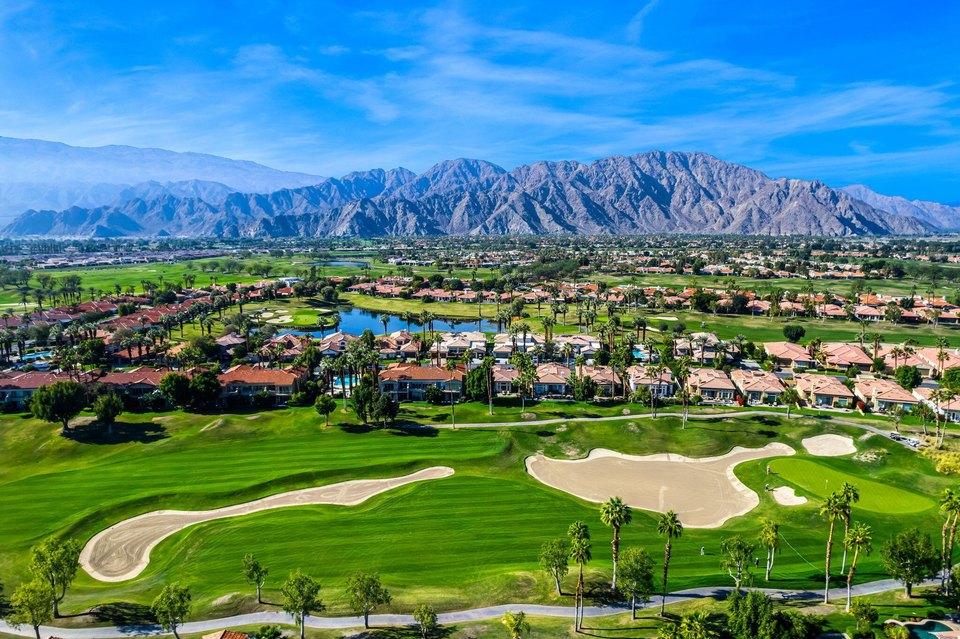
Think about an ordinary day—not just a vacation.
How far is the property from the places you'll actually visit? What does the neighborhood feel like in the evening? How important are privacy, walkability, club access, or convenience?
Consider nearby roads, seasonal event activity, noise sources, and planned development.
A property's position within a neighborhood can be just as influential as the city in which it's located.
It depends on the property, but desert ownership involves expenses that deserve careful attention.
A home with extensive glass, mature landscaping, multiple cooling zones, a heated pool, and substantial outdoor entertaining space may have very different operating costs from a condominium designed for seasonal use.
Before making a decision, request actual information wherever possible rather than relying on broad estimates.
Expense | What to investigate |
|---|---|
Cooling and electricity | Utility history, HVAC age, insulation, windows, and solar agreements |
Pool and spa | Equipment condition, maintenance, heating, and repair history |
Landscaping and water | Irrigation systems, landscape maintenance, and water use |
HOA assessments | Regular dues, included services, reserves, and special assessments |
Club memberships | Initiation fees, recurring dues, and mandatory or optional obligations |
Insurance and property taxes | Property-specific quotes and estimated post-purchase obligations |
Seasonal property care | Inspections, oversight, and maintenance during extended absences |
Ask for 12 months of utility history where available. Be aware that a previous owner's consumption may not represent your future costs, particularly if the property's occupancy will change.
They may be appealing, but first establish whether the system is owned, financed, or leased.
Review production records, equipment age, warranty terms, utility billing arrangements, and any obligations a purchaser would assume.
Don't treat the presence of solar panels as proof that electricity bills will be low.
An HOA fee may cover landscaping, shared amenities, gate services, certain maintenance, or other residential services.
Private-club memberships can be entirely separate.
Our guide, What Does Country Club Living Really Cost?, explains why two homes in the same general golf destination may carry different financial obligations.
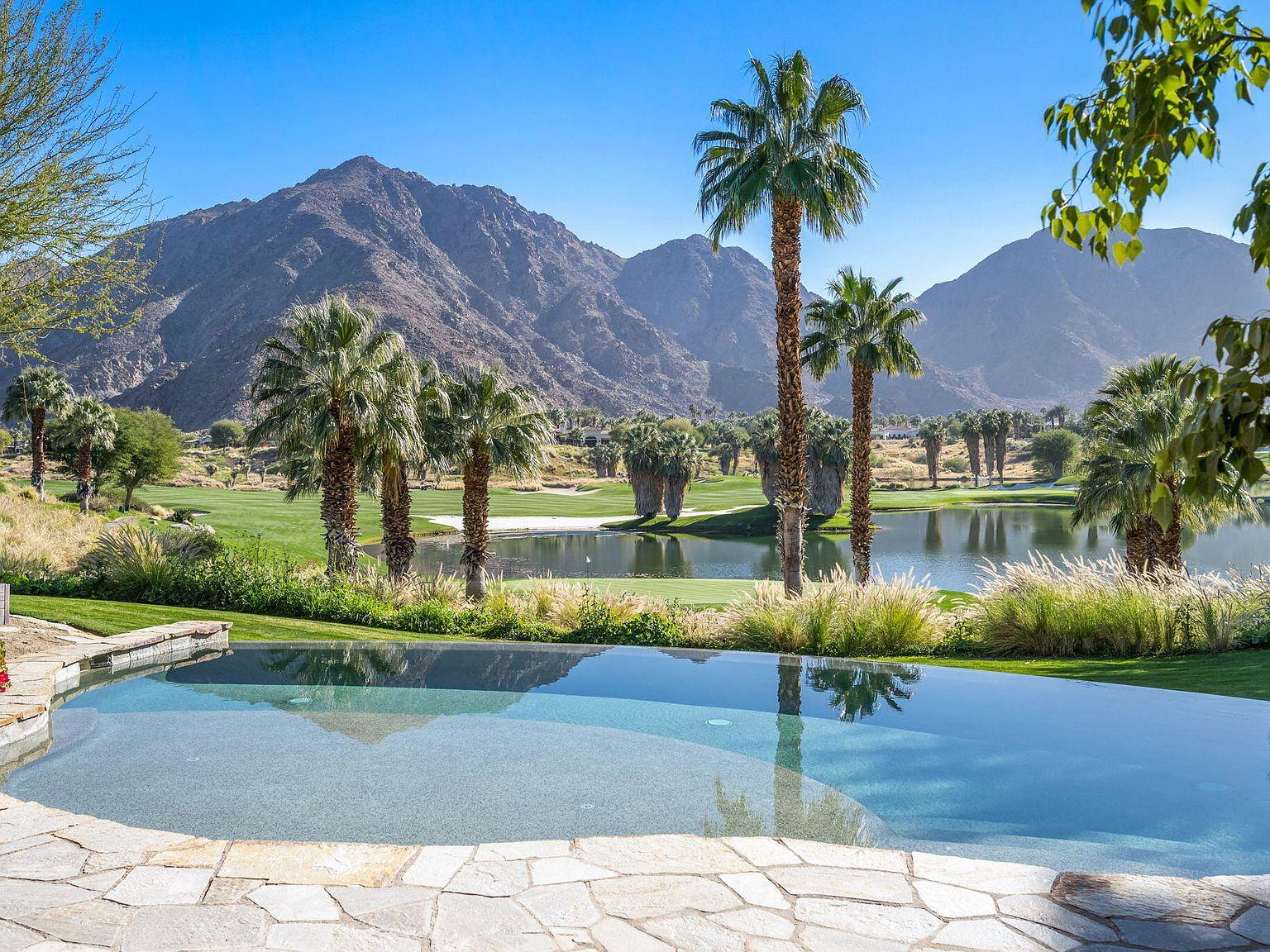
Desert conditions make certain systems and materials particularly important.
Extended periods of high temperatures, strong sunlight, dust, and seasonal weather can place demands on roofs, mechanical systems, exterior finishes, and outdoor equipment.
A general home inspection provides an important starting point. Depending on the property, consider additional evaluations by qualified specialists.
Pay particular attention to:
The goal isn't to find a property with no imperfections. It's to understand its condition, anticipated obligations, and whether any issues affect the decision to purchase.
Often, yes.
An architecturally significant home may have original materials or building systems, past renovations, or preservation considerations that warrant additional investigation.
Before purchasing, review available permits and remodeling records. If a property is historically designated, confirm the applicable rules with the local planning department.
Preserving architectural character and maintaining a functional modern home are both important—but achieving that balance may require thoughtful planning.
Not automatically.
A property advertised as a vacation home isn't necessarily eligible for short-term rental use by a new owner.
The City of Palm Springs has a vacation rental registration program with operational requirements and neighborhood-based limits. The city also amended portions of its regulations in 2026.
Review the official Palm Springs vacation rental requirements and neighborhood permit information for the property you're considering.
That depends on the property and its eligibility.
La Quinta restricts new short-term vacation rental permits in its general and primary categories, subject to defined exemptions.
The city's official short-term vacation rental guidance identifies the applicable restrictions and resources for confirming eligibility.
The critical question isn't whether a property has previously been rented. It's whether you, as its prospective new owner, will be allowed to use it as intended.
City rules are only part of the evaluation. HOA restrictions may separately limit rentals even where municipal regulations permit them.
If rental income is essential to the purchase, verify current eligibility, anticipated operating costs, and applicable restrictions before relying on projected revenue.
The best property depends on how much time you'll spend there and how much ongoing oversight you're comfortable managing.
A condominium within a professionally managed association may be easier for some seasonal owners than a large estate with extensive landscaping, multiple mechanical systems, and a pool.
But don't assume that “lock-and-leave” means maintenance-free.
Ask:
For seasonal buyers, an exceptional home should be as practical to maintain as it is enjoyable to visit.
No single feature determines resale value.
Location, comparable sales, property condition, architecture, privacy, lot orientation, views, floor-plan functionality, and recurring ownership costs can all influence market appeal.
However, their importance varies across price points and communities.
A private estate in Indian Wells may attract a different buyer from a midcentury architectural home in Palm Springs or a golf-course condominium in La Quinta.
That's why resale should be evaluated in the context of the property's likely buyer—not according to a generic list of luxury upgrades.
It depends on the view, the property's setting, the relevant comparable sales, and the buyer's priorities.
A desirable view can contribute to a home's appeal, but it doesn't guarantee a particular resale premium.
Similarly, a property with extensive club amenities may attract one group of buyers while its recurring financial obligations narrow its appeal to others.
A thoughtful purchase balances the features you'll enjoy with the realities of the property's market.
Buyers rarely evaluate a desert property on appearance alone.
They may want to know how expensive it is to cool, when the roof was replaced, whether pool equipment has been serviced, what the HOA covers, or whether a vacation rental permit can be obtained after closing.
That creates an opportunity for sellers.
Rather than automatically undertaking an expensive renovation, start by organizing the information buyers are likely to request.
Gather:
Then assess the property against competing listings and recent comparable sales.
Some homes benefit from targeted repairs or thoughtful presentation. Others may warrant more significant improvements. The right decision depends on the property's condition, target buyer, pricing, and likely return—not simply whether an upgrade looks attractive.
For sellers, being prepared is part of being well positioned.
Clear documentation doesn't eliminate buyer due diligence, but it can help prospective purchasers evaluate the home with greater confidence.
There's no universally best month. Inventory, pricing, competition, and seller motivation change over time. Rather than relying on seasonal rules of thumb, evaluate current listings, comparable sales, and your own readiness to purchase.
A specialist inspection may be worthwhile, particularly for older pools or when the condition of heating, circulation, automation, or other equipment is uncertain.
Coverage needs depend on the individual property and its risks. Obtain property-specific insurance quotes and review applicable natural hazard disclosures before closing.
Generally, HOA assessments are separate obligations, although a lender may consider them when evaluating affordability. Confirm your payment responsibilities for the specific purchase.
Avoid assuming that expensive cosmetic upgrades will produce an equivalent increase in sale price. Evaluate comparable properties, buyer expectations, maintenance needs, and improvement costs before committing to major work.
The best real estate decisions happen when the emotional appeal of a property is supported by a clear understanding of how it lives, what it costs, and how it fits into the surrounding market.
That requires looking beyond the photographs.
For buyers, it's about finding the right home with fewer unanswered questions.
For sellers, it's about presenting the property's strongest attributes while addressing the practical details that matter to informed purchasers.
At The McLennan Team, Laurie and Cailin McLennan bring complementary perspectives to that process: Laurie's decades of local real estate experience and Cailin's background in marketing, global partnerships, and luxury hospitality.
Together, their approach is grounded in understanding both the property and the people making the decision.
Buying a home? Tell us which communities or properties interest you. We'll help you evaluate the details worth understanding before making an offer.
Thinking about selling? We'll help you assess how your home's features, condition, and position in the local market may shape your selling strategy.
START A CONVERSATION
This article is general educational information, not legal, financial, tax, or inspection advice. Requirements and regulations can change. Confirm property-specific information with the appropriate governmental authorities, associations, and qualified professionals.
A changing market. A more discerning buyer. A smarter approach to selling in the desert.
The Location Edit
The Real Estate Edit
The Property Edit
Summer brings far less to choose from and considerably more leverage.
Two private clubs in the same small city, about three miles apart, and they could hardly be less alike.

This distinction reflects a consistent commitment to excellence, market expertise.
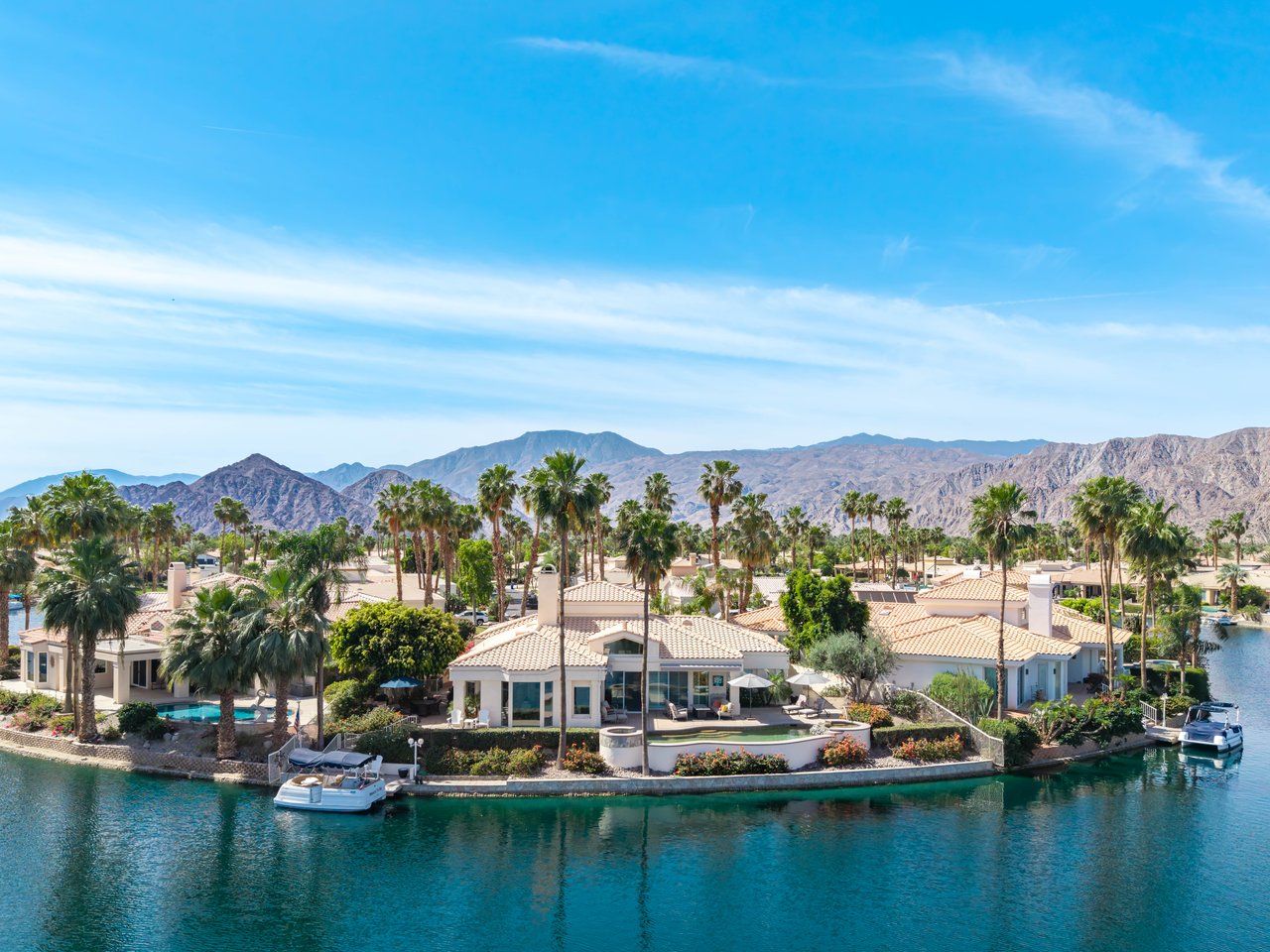
Lake La Quinta asks a different question from most gated communities in the desert.
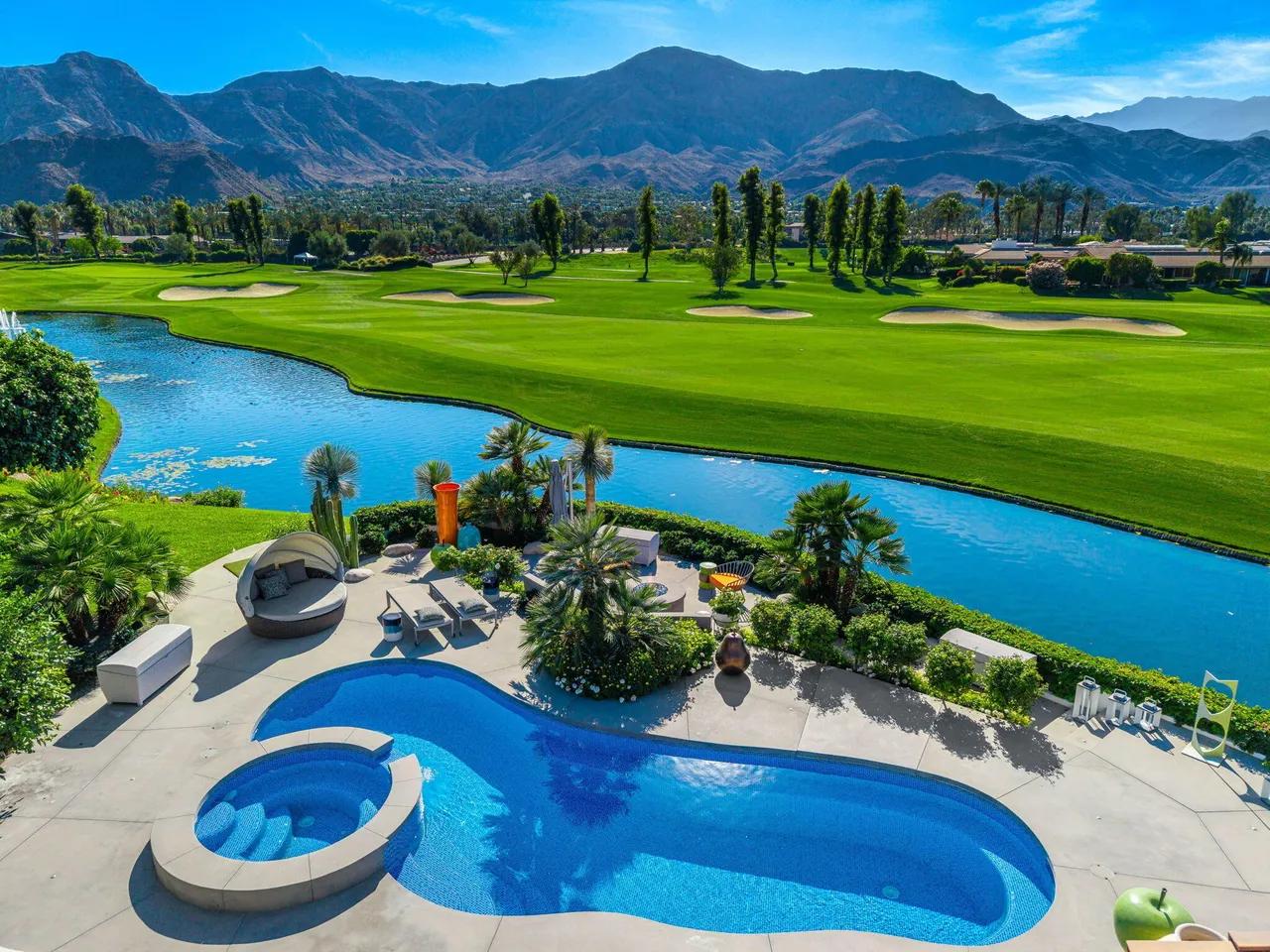
A historic club. A patchwork of residential structures. No single version of ownership.
You may be a season away. You may be deciding between two communities. You may be wondering whether to sell now or wait. Call us with the unfinished version. That is the conversation we are best at.