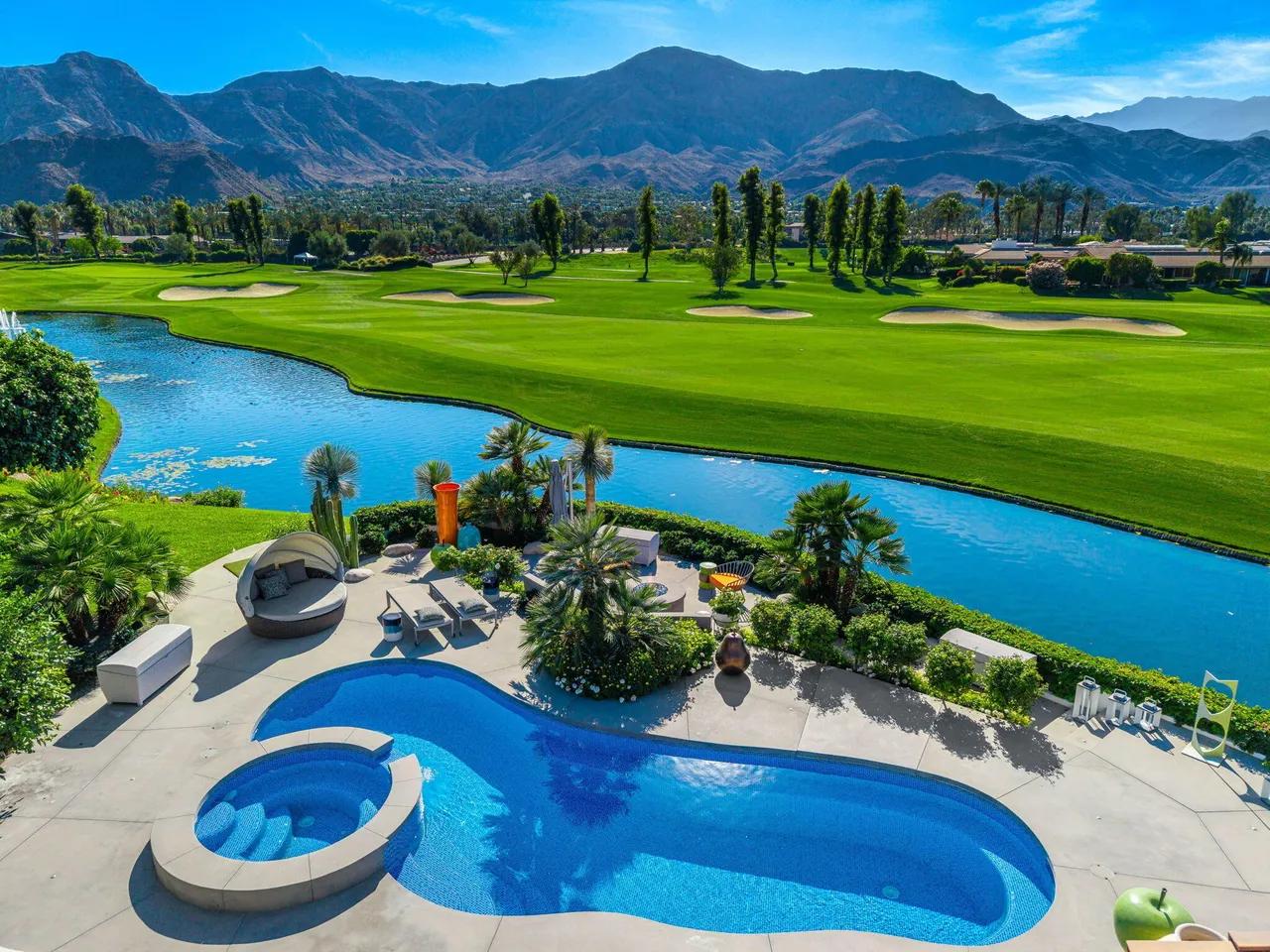
Indian Wells Country Club: Buyer Guide
A historic club. A patchwork of residential structures. No single version of ownership.
Indian Wells Country Club is one of the desert’s historically significant private clubs, closely connected to the early years of the Bob Hope Desert Classic. Today it offers 36 holes across the Classic and Cove courses, but the residential market around them cannot be understood as one uniformly planned club community.
“Indian Wells Country Club” can describe the club, a broad geographic identity and several separately governed residential pockets. Some properties belong to individual homeowner associations. Others may be marketed without a conventional HOA while remaining subject to district assessments, recorded restrictions, gate or infrastructure obligations.
The housing is equally varied. Buyers may encounter original midcentury residences, later Mediterranean homes, attached products, extensively renovated properties and contemporary rebuilds. Build year alone explains very little.
A sound comparison begins by identifying the legal and ownership structure of the specific address. It then moves to architectural integrity, renovation generation, course relationship, orientation and future marketability.
Location: Indian Wells, California
Community type: Private golf club surrounded by multiple residential subdivisions and ownership structures
Historical significance: Closely associated with the early Bob Hope Desert Classic
Golf: 36 holes across the Classic and Cove courses
Classic Course: 18 holes; currently attributed by the club to Desmond Muirhead
Cove Course: 18 holes, positioned nearer the Santa Rosa Mountains; verify full designer attribution
Residential character: Original midcentury residences, later traditional and Mediterranean homes, attached products, major renovations and contemporary rebuilds
Association structure: Multiple independent associations and residential pockets; no single universal residential HOA
Non-HOA properties: Present within the broader area, subject to property-specific verification of district, gate, infrastructure and recorded obligations
Club membership: Golf and Social paths are currently promoted separately from the purchase of a particular residence
Network benefits: May be available through qualifying Invited membership programs; verify by category
Land: Confirm fee-simple or lease status for the individual parcel
What makes Indian Wells Country Club different
Indian Wells Country Club is the historically established and structurally varied alternative among the city’s principal private clubs.
Toscana was formally planned around a consistent progression of residential collections and two Jack Nicklaus Signature courses. The Reserve was developed around native terrain, with homes individually positioned across a lower-density landscape. Indian Wells Country Club evolved over a much longer period.
The club, courses, gates, subdivisions and homeowner associations overlap without becoming one uniform ownership structure. That variety creates opportunity: architectural character, different price points, renovation potential and multiple ways to approach club life.
A portal may place two properties under the same community name even though they have different associations, different shared services, different architectural restrictions and entirely different maintenance obligations.
At Indian Wells Country Club, the community name begins the inquiry. It does not complete it.
Indian Wells Country Club is a private club. The surrounding real estate is not one master-planned residential product governed by one universal homeowner association.
The area contains multiple subdivisions, separate homeowner associations and individual properties with different obligations. Two homes marketed under the Indian Wells Country Club name may have different dues, maintenance responsibilities, architectural controls, insurance requirements and infrastructure assessments.
For every property, establish:
A listing marked “no HOA” should not end the inquiry. It only means the buyer must identify the remaining responsibilities individually.
This is the structural difference that governs the purchase.
An HOA property may include some combination of exterior maintenance, landscape, roof responsibility, shared pools, gates, streets or common insurance. Another association may cover far less.
A property without a conventional sub-association may provide greater individual control and fewer shared maintenance services. It does not necessarily mean the property is free of recorded restrictions, district assessments, gate expenses or other community obligations.
An owner who wants architectural autonomy and is comfortable managing contractors may prefer greater individual responsibility. A seasonal owner may place more value on association services, shared maintenance and a clearly defined process for handling the property while away.
The correct comparison is not monthly HOA dues against zero. It is total responsibility against total cost.
For each address, review the governing documents, title report, association budget, reserve information, insurance obligations and every recurring district or infrastructure charge before relying on the ownership description.
Build year identifies the era. It does not establish the value.
Indian Wells Country Club spans approximately seven decades of residential construction. A year-built field may indicate the original era, but it does not tell a buyer what remains of that era, what has been replaced or whether the renovation improved the property.
A residence retains meaningful original proportions, materials, rooflines, fenestration or indoor-outdoor relationships. It may require work, but its character has not been erased.
Visible finishes have changed, while the plan, systems, glazing and relationship to the site remain substantially unchanged.
The work extends beyond surfaces and may include systems, windows, roof, mechanical equipment, layout, kitchen, bathrooms and outdoor living.
The residence operates as a contemporary product and should be evaluated against other major renovations or newer custom homes rather than original properties of the same nominal vintage.
A generic renovation is not automatically more valuable than a thoughtful restoration.
If the work removes the proportions and details that made the original residence distinctive without creating a genuinely better contemporary home, the property may lose one of its scarce qualities.
At Indian Wells Country Club, renovation quality includes what was preserved, not only what was replaced.
The community’s extended development history creates two different forms of opportunity.
The first is preservation: an architecturally meaningful residence in a strong position that retains enough integrity to justify restoration.
The second is reinvention: a less significant or heavily altered residence occupying a homesite capable of supporting a stronger contemporary property.
Those decisions should not be made from the age of the home alone.
Before assigning a premium to “midcentury,” establish:
An original house is not automatically architecturally important. A rebuild is not automatically an improvement.
The value lies in recognizing what deserves to be preserved and what the site can credibly become.
The Property Position Test separates the characteristics a buyer can improve from those that will remain.
At Indian Wells Country Club, we evaluate:
The purpose is not to reduce a historic home to a checklist. It is to distinguish the character a buyer can preserve from the compromises that will remain after the renovation is complete.
Indian Wells Country Club currently offers 36 holes across the Classic and Cove courses.
The Classic Course carries more of the club’s championship identity and is currently attributed by the club to Desmond Muirhead. The Cove Course sits nearer the Santa Rosa Mountains and presents a different topographical and visual relationship.
For a homebuyer, the preferred course to play and the preferred course position to own are separate questions.
Classic-side property value may depend on:
Neither course produces universally better real estate.
A Cove-side property with dramatic mountain proximity may be compromised by poor light or limited outdoor comfort. A Classic-side home may have a longer golf corridor but less architectural distinction or privacy.
The individual site must carry the promise made by the course name.
The closer a property sits to the Santa Rosa Mountains, the more important it becomes to understand how the mountains affect light, temperature, wind and scale.
A close mountain wall can feel dramatic and protected. It can also reduce the duration of direct light at certain times of year.
We evaluate:
The strongest mountain property is not necessarily the closest one. It is the site where view, light, privacy and outdoor comfort work together.
A golf-course description does not explain the residential experience.
There is a difference between:
A private interior property with strong architecture and separation may be more valuable to a particular buyer than a fairway home with constant activity behind the pool.
The better property is the one whose fixed position supports the buyer’s priorities and remains understandable to the next buyer.
A buyer can change finishes, systems, landscaping and many elements of the floor plan.
The following qualities are materially harder to reproduce:
The scarce asset may be an original residence worth preserving. It may also be a less significant home occupying an exceptional site with legitimate redevelopment potential.
The work is determining which one the buyer is actually paying for.
Buying a residence identified with Indian Wells Country Club and joining Indian Wells Country Club are separate decisions.
The club currently promotes Golf and Social membership paths. Golf membership includes golf privileges and broader club amenities, while Social membership centers on dining, fitness, aquatics, racquet sports and social programming without full golf access.
The club markets flexible options, but that should not be interpreted as guaranteed availability or automatic approval.
Before relying on membership, confirm:
Certain memberships may include benefits within the wider Invited network, subject to the buyer’s category and current program terms.
Obtain all membership information directly from the club in writing before making a purchase decision dependent on access.
Indian Wells Country Club can work well for seasonal ownership, but the best lock-and-leave option depends on the specific ownership structure.
An attached residence with broader association maintenance may be easier to leave for several months but provide less architectural autonomy. A non-HOA custom residence may offer more control and privacy while requiring a complete network of property-management services.
Establish who is responsible for:
Lock-and-leave is not a property size. It is the relationship between association responsibility, physical condition and the owner’s tolerance for remote management.
Current market snapshot
Include:
Do not publish one Indian Wells Country Club median as though the area represents one homogeneous residential product.
Toscana, The Reserve or Indian Wells Country Club?
Governing idea: Consistency and comparability.
Residential plan: Formally planned with recognizable collections.
Golf: Two Jack Nicklaus Signature courses.
Architecture: Predominantly consistent, with later contemporary interpretations.
First buyer question: Which generation, collection and position?
Market analysis: A comparatively deep transaction history provides more reference points.
Best suited to: Buyers wanting golf variety, consistency and an active developed club environment.
Governing idea: Topography and property-specific scarcity.
Residential plan: Individually positioned within native terrain.
Golf: A distinctive 21-hole environment.
Architecture: Site-responsive and individual.
First buyer question: Where does the property sit?
Market analysis: Fewer direct substitutes make valuation more property-specific.
Best suited to: Buyers prioritizing privacy, terrain and architectural individuality.
Governing idea: History and structural variation.
Residential plan: Multiple pockets, associations and architectural generations.
Golf: Classic and Cove courses.
Architecture: Midcentury residences through contemporary rebuilds.
First buyer question: What exactly governs this address?
Market analysis: Must be segmented by residential product, ownership structure and renovation generation.
Best suited to: Buyers valuing history, architectural range and an independently selected club-membership path.
Who Indian Wells Country Club may suit
Indian Wells Country Club may suit a buyer who wants:
It may appeal particularly to a buyer who enjoys individuality and is willing to investigate the specific structure attached to each property.
Who should probably look elsewhere
Indian Wells Country Club may be less suitable for a buyer who wants:
Its flexibility is an advantage for the right buyer. It also places more responsibility on the buyer and advisor to identify exactly what is being purchased.
What we would verify before recommending an offer
For any Indian Wells Country Club property, we would verify:
The objective is not to make an established community unnecessarily complicated. It is to prevent the broad community label from concealing property-specific obligations.
We evaluate Indian Wells Country Club through six questions.
Does the club’s history, social rhythm and residential variety support the way the buyer wants to live?
Which membership path fits, what does it include and is it available independently of the selected property?
How do course relationship, mountain proximity, light, activity and neighboring homes affect the experience?
Which association, district or individual obligations apply, and how will the property be managed when the owner is away?
Will the home’s structure, exposure and maintenance requirements work during the buyer’s expected occupancy pattern?
Does the property retain meaningful architectural character, occupy a defensible site or offer legitimate redevelopment potential?
A portal can report the year built, quoted HOA dues and whether a property faces the golf course. It cannot reliably explain whether the home belongs to the comparison set being used, whether a renovation preserved or erased its architectural value or what obligations remain behind a “no HOA” description.
Laurie McLennan has watched the desert’s established communities evolve across more than two decades of representing buyers and sellers. That history helps her distinguish an old home from an architecturally meaningful one, a costly renovation from a valuable one and a dramatic view from a property position a future buyer is likely to reward.
Cailin McLennan brings contemporary market presentation, high-detail transaction execution and a practical understanding of how seasonal and remote owners manage property from a distance.
Together, we help buyers determine what the address actually represents before deciding what it is worth.
If you are considering more than one property, we can compare the ownership structure, architectural generation, renovation quality, course relationship and likely resale audience before you decide which home deserves a premium.
No. The club and the surrounding residential market should not be treated as one master-planned community governed by one universal homeowner association. Buyers may encounter multiple independent associations and properties without a conventional sub-association.
Some properties are marketed as having no conventional HOA. That does not establish that the property has no district assessments, gate expenses, recorded restrictions, private-street obligations or other recurring costs. Verify the complete legal and financial structure for the address.
Do not assume so. Indian Wells Country Club currently markets Golf and Social membership paths separately from the purchase of a particular residence. Confirm current application, approval, availability, dues and privileges directly with the club.
The residential market includes original midcentury properties, later traditional and Mediterranean residences, attached products, comprehensively renovated homes and contemporary rebuilds. The architectural character varies by street, subdivision and construction period.
No. Architectural value depends on documented provenance, remaining integrity, position, condition and the quality of previous work. Some original homes deserve preservation. Others may derive more value from the homesite than the structure.
Often. A comprehensively and sympathetically renovated residence competes differently from an original-condition or cosmetically updated home of the same age. The analysis should distinguish renovation generation rather than relying on build year alone.
Neither course is universally better. Cove-side properties may offer greater mountain proximity, while Classic-side homes may offer different fairway and architectural relationships. The individual orientation, activity, privacy and view corridor determine the stronger position.
It can be, but maintenance responsibility varies. An association-managed attached property and an individually maintained custom residence create very different seasonal-ownership experiences.
Toscana offers a more formally planned residential environment, two Jack Nicklaus Signature courses and more recognizable product generations. Indian Wells Country Club offers more history, architectural range and structural variation.
The Reserve is organized around native terrain, privacy and individually positioned residences. Indian Wells Country Club offers a broader range of architecture, ownership structures and price points within a more historically established setting.
A changing market. A more discerning buyer. A smarter approach to selling in the desert.
The Location Edit
The Real Estate Edit
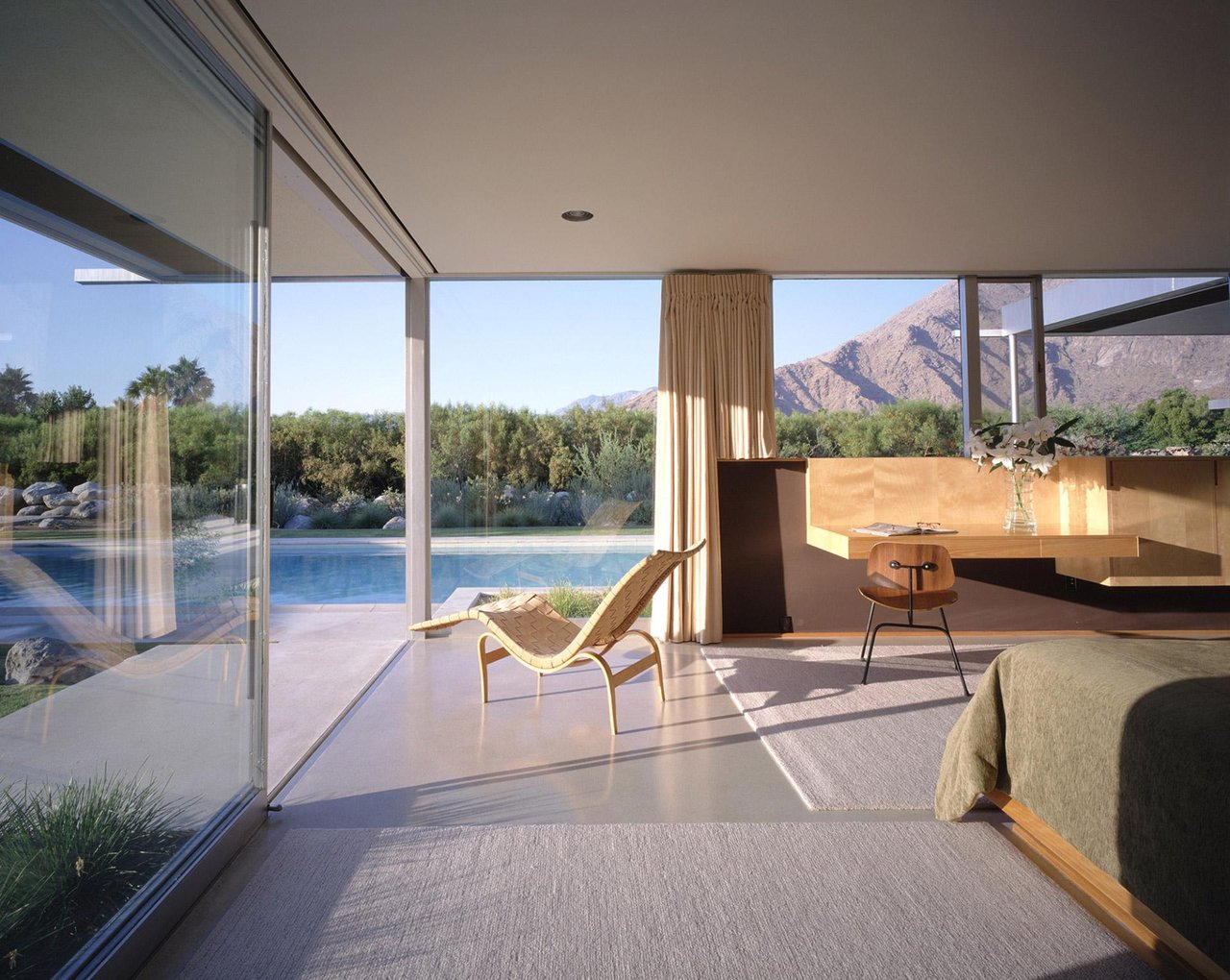
The Property Edit
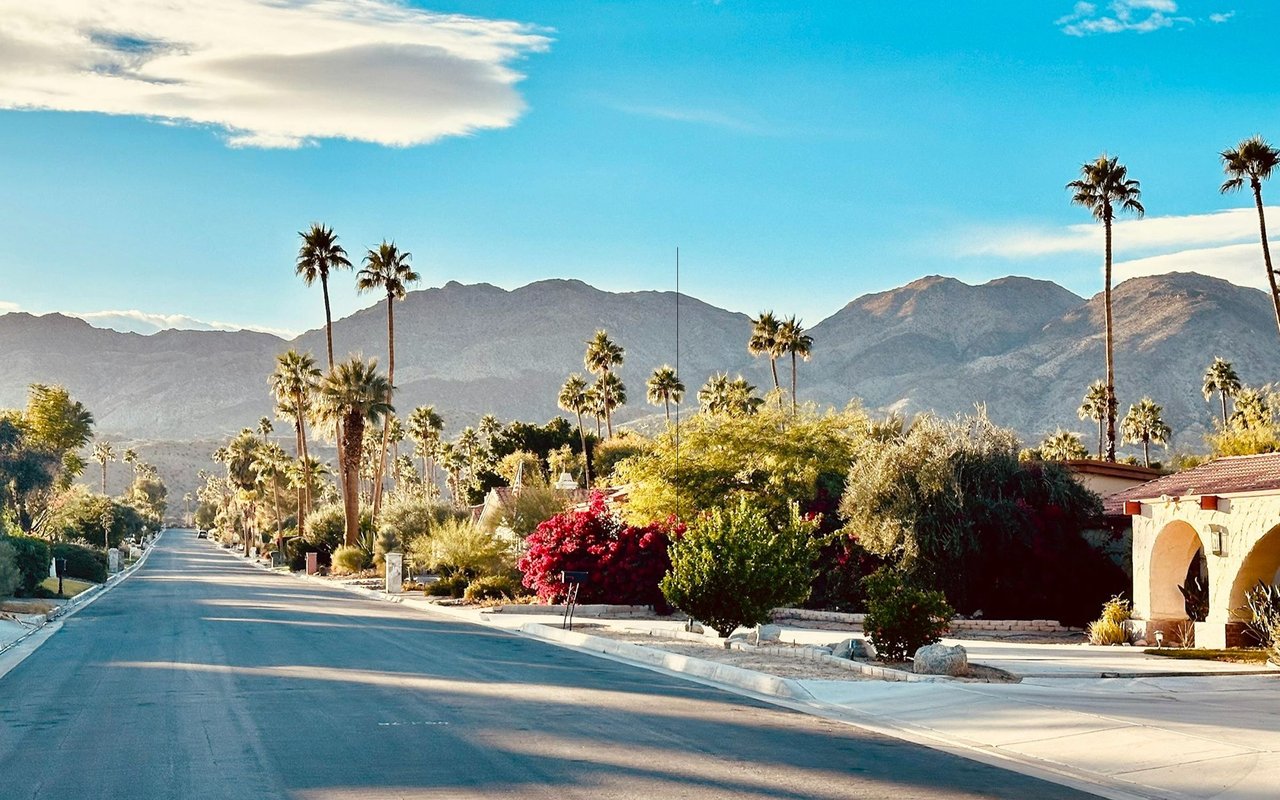
Summer brings far less to choose from and considerably more leverage.
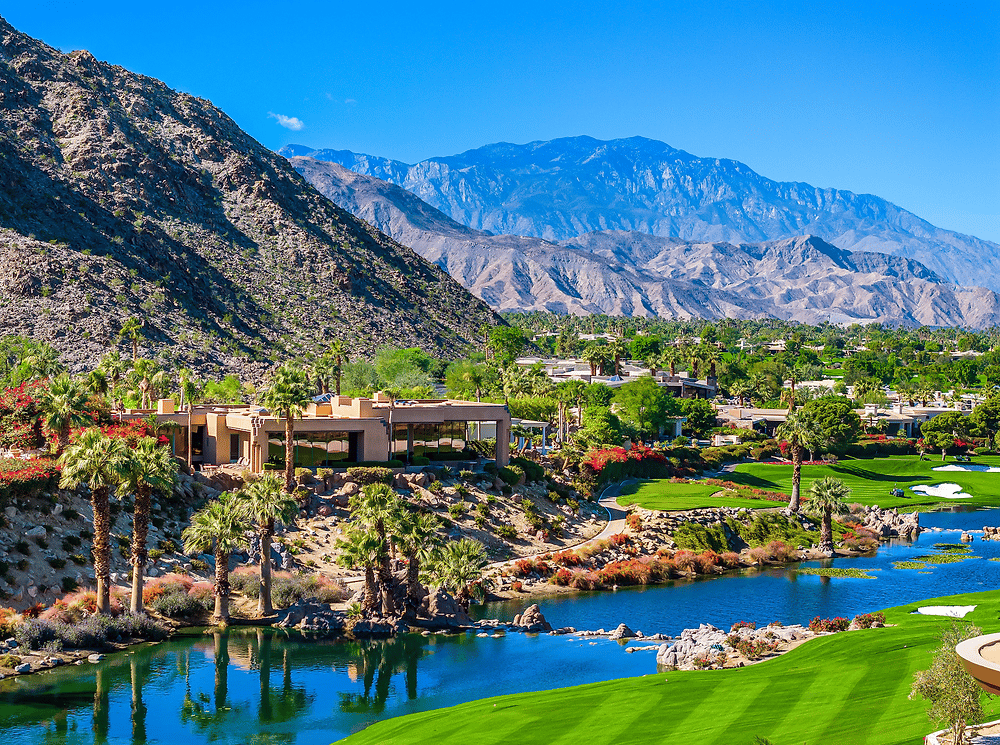
Two private clubs in the same small city, about three miles apart, and they could hardly be less alike.

This distinction reflects a consistent commitment to excellence, market expertise.
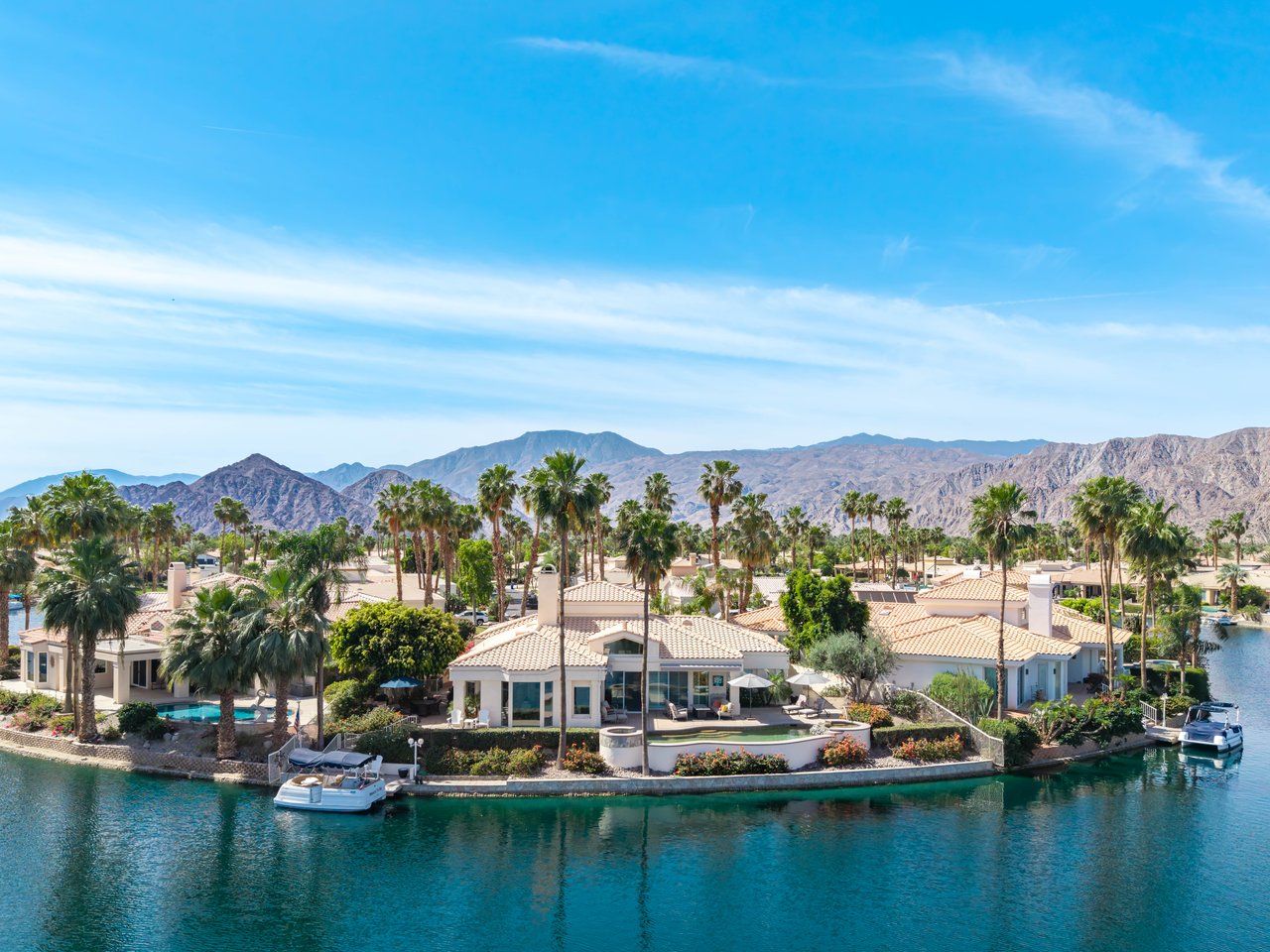
Lake La Quinta asks a different question from most gated communities in the desert.
A historic club. A patchwork of residential structures. No single version of ownership.
You may be a season away. You may be deciding between two communities. You may be wondering whether to sell now or wait. Call us with the unfinished version. That is the conversation we are best at.