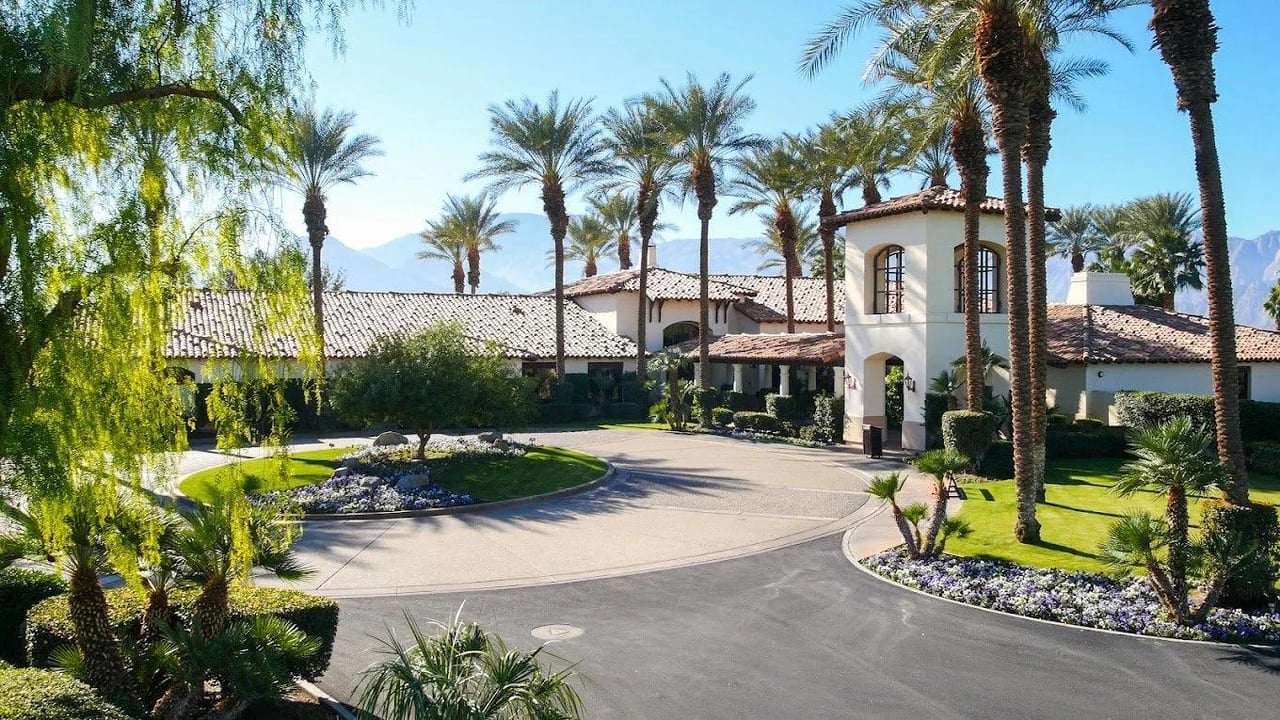
Rancho La Quinta Country Club Buyer Guide
One club. Three ownership structures. Several different ways to own.
Rancho La Quinta Country Club is an association-owned private-club community in La Quinta with two championship golf courses and nearly 1,000 residences divided among three principal homeowner structures: the Master Association, Ventanas and Casitas.
That structure is the first thing a buyer should understand.
The association attached to a property can change what homeowner dues include, how Sports and Fitness membership is handled and how much responsibility remains with a seasonal owner. Within those structures, residential collection, construction generation, course relationship, orientation and renovation quality create a second layer of differences.
Two Rancho La Quinta homes offered at similar prices may therefore represent very different purchases. One may provide broader association support and included club privileges. Another may offer greater privacy or a stronger fairway position while leaving more responsibility with the homeowner.
The correct comparison begins with the ownership structure, then moves to the property.
Location: La Quinta, California
Community type: Association-owned private golf and residential community
Setting: Approximately 700 acres beneath the Santa Rosa Mountains
Residential structure: Master Association, Ventanas Association and Casitas Association
Master Association: Approximately 802 single-family residences
Ventanas: Approximately 95 detached courtyard homes
Casitas: Approximately 88 paired residences near the Sports and Fitness Center
Golf: Two private 18-hole championship courses
Course designers: Robert Trent Jones Jr. and Jerry Pate
Sports and Fitness: Included through the homeowner structure for Master Association and Casitas owners; separately available to Ventanas owners under current published community materials
Golf membership: Separate from homeowner Sports and Fitness privileges; confirm current availability and terms directly with the club
Ownership pattern: Full-time and seasonal residences, with several property types and levels of association responsibility
Land: Fee-simple ownership; verify for the individual parcel
Rancho La Quinta occupies a broader segment of the private-club market than communities built almost entirely around custom estates.
Its housing includes paired residences, detached courtyard homes, recognizable residential collections, larger fairway homes and custom-scale properties. That creates meaningful choice, but it also makes a single community-wide comparison less useful.
The community name alone does not answer any of those questions.
A listing may identify a residential collection or floor plan without explaining the governing association, included club privileges, exterior responsibilities or the difference between looking across a fairway and holding a genuinely private golf-course position.
One community, three ownership structures
The Master Association encompasses approximately 802 single-family residences and owns the Rancho La Quinta Country Club under the community’s current published structure.
Master Association homeowner dues include Sports and Fitness membership, providing access to the community’s non-golf club facilities. Golf remains a separate membership decision.
The Master Association contains a broad range of residential products, construction generations, floor plans and course positions. A community-wide median may therefore conceal important differences between smaller production homes, later residences, substantially renovated properties and larger custom-scale offerings.
Ventanas consists of approximately 95 detached courtyard homes within its own homeowner association.
Under the community’s current published materials, Ventanas homeowners do not receive Sports and Fitness membership through their association dues. They may join separately for an additional fee, subject to current club terms.
That makes a Ventanas purchase structurally different from a similarly priced Master Association or Casitas property. The difference should be included in any comparison of monthly and annual ownership costs.
Ventanas may appeal to buyers who value a detached home, a more contained outdoor environment and a seasonal ownership pattern. The trade-offs depend on the individual property’s privacy, outdoor-space utility, association coverage and relationship to the broader club.
Casitas consists of approximately 88 paired residences near the Sports and Fitness Center.
Casitas homeowners currently receive Sports and Fitness membership through their homeowner structure. Their proximity to the community’s racquet, fitness and social facilities can be an advantage for an owner who intends to use those amenities frequently.
That convenience should still be evaluated alongside paired-home privacy, outdoor-space scale, association responsibility, guest parking and the buyer’s intended length of stay.
Start with the association, not the floor plan
Before comparing architecture, finishes or asking price, establish the following for each property:
A lower monthly assessment is not automatically a lower ownership cost. It may simply leave more responsibility with the homeowner.
Association responsibility must be established from the governing documents for the specific property. A listing description or quoted monthly figure is not sufficient.
Related guide: What HOA fees actually cover in a desert community
The residential product matters
Potential appeal: Lower-maintenance seasonal ownership and proximity to sports facilities.
Scrutinize: Paired-home relationship, privacy, outdoor-space scale, association coverage and included membership.
Potential appeal: Detached courtyard-home format and a more contained residential environment.
Scrutinize: Separate association, separately handled Sports and Fitness access, maintenance responsibility and resale audience.
Potential appeal: Recognizable fairway-oriented residential product.
Scrutinize: Course position, renovation generation, cart-path relationship, view depth and outdoor exposure.
Potential appeal: Larger golf-course residences with greater scale.
Scrutinize: Orientation, architecture, renovation quality, outdoor exposure and neighboring massing.
Other Master Association homes
Potential appeal: Broad selection of floor plans, sizes and locations.
Scrutinize: Construction generation, association obligations, course relationship and the correct comparable-sale group.
Custom or custom-scale residences
Potential appeal: Greater individuality, land and architectural presence.
Scrutinize: Construction quality, ongoing maintenance, future marketability and whether the homesite supports the scale of the residence.
A Casita and a large Master Association fairway residence are not smaller and larger versions of the same product. They solve different ownership needs and should not be blended into one price-per-square-foot analysis.
Rancho La Quinta spans more than one construction period, and the quality of renovation varies considerably.
An original-condition residence may offer a superior lot, mountain corridor or golf-course relationship. A comprehensively rebuilt home may provide a more contemporary plan and eliminate years of deferred work. Neither is automatically the better purchase.
The correct analysis separates at least three categories where the market sample permits:
A cosmetic renovation should not be valued as though the home has received new systems, windows, roof, mechanical equipment, reconfigured living areas and professionally resolved indoor-outdoor connections.
The renovation must also suit the property. Expensive work does not correct an unfavorable orientation, intrusive cart path or weak relationship between the house and its lot.
The Property Position Test separates characteristics a buyer can improve from those that will remain for the duration of ownership.
At Rancho La Quinta, we evaluate:
The purpose is not to identify a perfect property. It is to determine which compromises are acceptable, which ones can be corrected and which ones a future buyer is likely to notice again.
A listing may describe a property as having a golf-course view, but that does not explain how the property relates to the course.
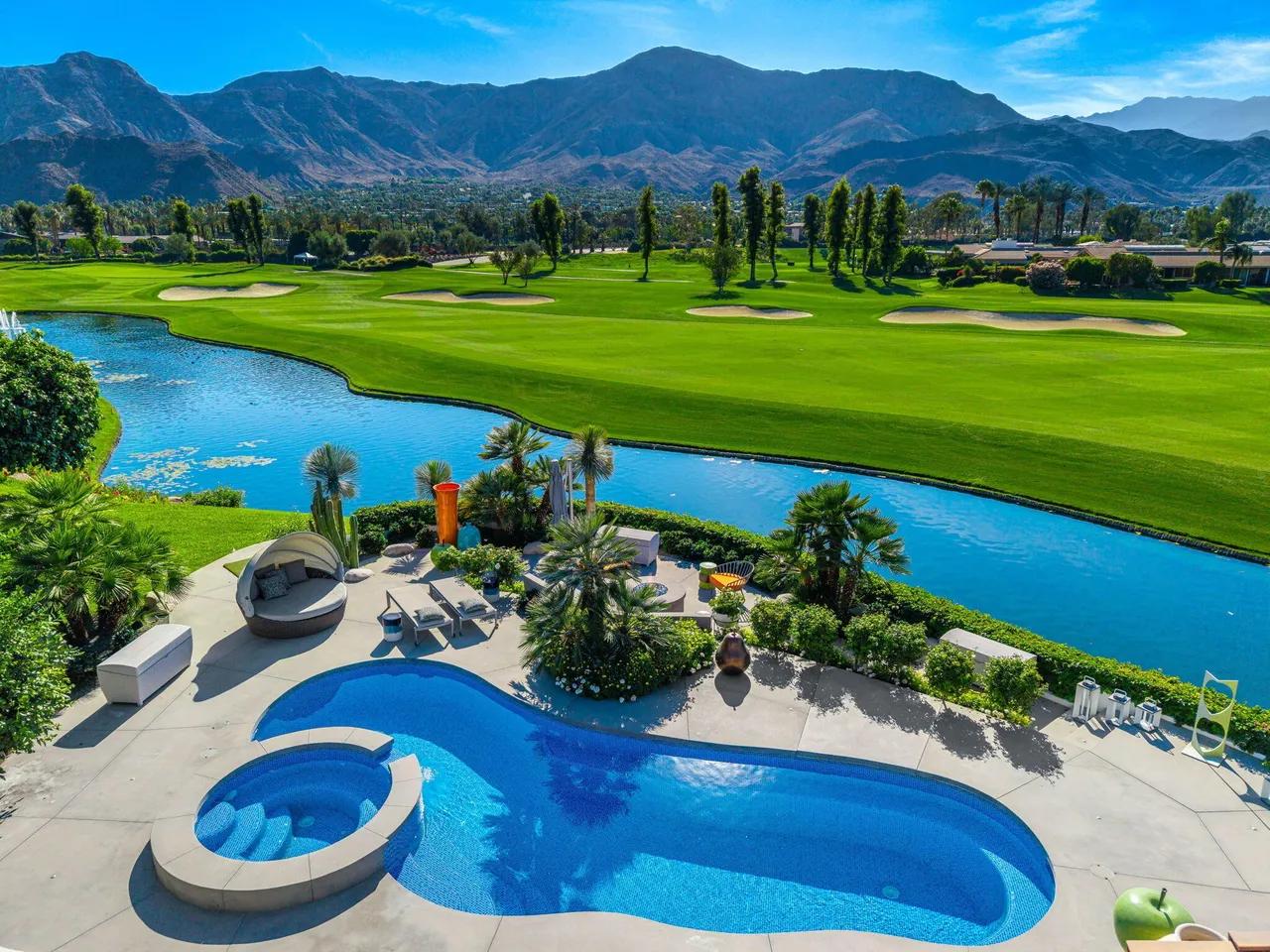
There is a meaningful difference between looking down the length of a fairway, looking across a fairway, sitting near a tee box, sitting near a green, having a cart path immediately behind the outdoor space, having water or landscape create additional separation, looking across active play toward the mountains and looking toward neighboring homes beyond the course.
A long fairway corridor can create openness and a stronger sense of separation. A green or tee position may introduce more player activity. A cart path close to the rear boundary can affect privacy even when the view itself is attractive.
The correct position depends on the buyer. Someone who enjoys visible golf activity may value a location another buyer considers too exposed.
Mountain views require more than a mountain-facing photograph
Rancho La Quinta’s position beneath the Santa Rosa Mountains gives many properties attractive mountain views. The value of those views depends on how they are experienced from the home.
We look at whether the mountains are visible from the primary living areas, whether the view is framed from the pool and covered patio, which portion of the mountain range is visible, whether neighboring structures interrupt the lower view corridor, whether mature landscaping protects or obscures the view and how the light changes across the day.
A mountain visible above a neighboring roofline is not the same property position as a long, unobstructed corridor experienced from both inside and outside the residence.
Afternoon exposure changes how the property lives
Orientation affects more than the photographs used to market a home.
A west- or southwest-facing outdoor area may offer dramatic late-day light and sunset views while receiving more direct afternoon exposure. A north- or east-oriented yard may remain more comfortable later in the day but present the mountains differently.
Architecture can moderate exposure through deep overhangs, covered patios, mature landscaping and the placement of the pool and outdoor kitchen. Those features should be evaluated as part of the lot rather than as decoration.
For a seasonal owner, the relevant question is how the property performs during the months and hours it will actually be used. A buyer who expects long afternoons outside should test the rear yard in the afternoon, not rely on a morning showing.
Golf-course frontage creates openness, but it does not automatically create privacy.
An interior property may offer less player and cart activity, greater control over perimeter landscaping, a more private pool environment, less ball exposure and a quieter residential atmosphere.
A fairway property may offer longer sightlines, greater visual openness, mountain views across the course, a stronger connection to golf and less immediate residential mass behind the property.
The stronger purchase is the property whose position supports the buyer’s priorities and remains legible to a future buyer.
A Rancho La Quinta property may be improved through renovation, landscaping, new systems and better interior planning.
The following qualities are much harder to reproduce:
A renovated home in a weaker position can be a more difficult resale than an original-condition home in a stronger one.
That is why we evaluate the fixed characteristics before assigning value to the finishes.
Many Rancho La Quinta homeowners use their properties seasonally. For those buyers, the meaningful question is not whether a listing describes itself as lock-and-leave. It is what happens when the owner is away.
A buyer should establish who handles landscaping, exterior maintenance, roof responsibility, pool care, pest control, common-area and building insurance, vendor access, internet and utility monitoring, emergency communication and periodic property inspections.
Those responsibilities may differ by association and property type.
The best lock-and-leave property is not necessarily the smallest home. It is the residence whose association responsibility, physical condition and service arrangements match the owner’s tolerance for remote management.
That structure also affects resale. A clearly managed seasonal residence may appeal to a broader buyer pool than a home whose maintenance obligations are difficult to understand.
Rancho La Quinta’s homeowner and club structures intersect, but they should not be treated as identical.
Under the community’s current published materials:
Before making an offer, confirm which privileges are included, whether a separate application is required, current golf-membership availability, initiation requirements, dues, waiting-list status, transfer provisions and what happens when the property is resold.
Membership categories, availability, initiation, dues and transfer provisions can change. Obtain current terms directly from the club and confirm them in writing before relying on them in a purchase decision.
Rancho La Quinta offers two private 18-hole championship courses currently attributed by the community to Robert Trent Jones Jr. and Jerry Pate.
The existence of two courses provides golf variety, but the courses also create different residential conditions. Course architecture, water, fairway width, landscape, player movement and the placement of homes can affect the outlook from an individual property.
For a homebuyer, the better course position is not necessarily attached to the preferred course for play.
A desirable residential position may come from a longer fairway corridor, better mountain alignment, more separation from active play, water between the home and fairway, less cart-path exposure, favorable late-day light or a quieter location away from greens and tee boxes.
The property position should be evaluated independently from a golfer’s course preference.
Segment the analysis where sample size permits:
Include active, under-contract, pending and closed activity; asking and closed price ranges; median closed price; median price per square foot only within coherent comparison groups; sale-to-list ratio; median days on market; sample size; source; retrieval date; and reporting limitations.
Do not publish one price-per-square-foot figure as though all Rancho La Quinta properties represent the same residential product.
Rancho La Quinta may suit buyers who want two private golf courses, an active social and wellness environment, a broader selection of homes than estate-only clubs, seasonal or lock-and-leave ownership and a choice among paired, courtyard, production and larger fairway homes.
It may be especially appealing to a household in which not everyone plays golf, because Sports and Fitness privileges and golf membership can be handled separately under the current structure.
Rancho La Quinta may be less suitable for buyers whose priorities are estate-scale land and maximum separation, a very small and highly limited membership, predominantly custom contemporary architecture, one simplified ownership structure, short-term-rental income or a low-amenity residential environment.
The purpose is not to rank communities. It is to avoid touring homes in a community whose ownership model does not support the buyer’s intended use.
Both require buyers to understand association structure.
PGA WEST contains a wider range of price points, property types and separate associations, with a mix of private and resort golf. Rancho La Quinta operates as an association-owned private-club community with three principal homeowner structures and two private courses.
At PGA WEST, the first question is often which association governs the property.
At Rancho La Quinta, the first question is how the association, included club privileges and residential product work together.
Both offer two private golf courses and an active club environment.
The Hideaway operates at a higher luxury entry point, with a more service-intensive club experience and a greater concentration of custom estates. Rancho La Quinta offers a broader range of residential products and ownership costs.
The decision is not simply budget. It is whether the buyer wants a highly curated luxury-club environment or a larger private community with more ways to own.
Madison is built around maximum privacy, personalized service, estate-scale property and a highly limited resort-like experience.
Rancho La Quinta offers considerably more residential variety, two courses and a more broadly accessible ownership structure.
A buyer prioritizing trophy real estate and separation may lean toward Madison. A buyer prioritizing golf variety, social activity and a wider choice of property types may find Rancho La Quinta more practical.
What we would verify before recommending an offer
For any Rancho La Quinta property, we would verify:
The objective is not to make the purchase unnecessarily complicated. It is to prevent structural details from becoming expensive surprises after closing.
Does the club’s scale, social rhythm and amenity structure support the way the buyer wants to use the desert?
Which privileges are included, which require a separate decision and which terms must be confirmed before an offer?
How do orientation, course relationship, mountain framing, activity and neighboring homes affect the experience?
What does the association maintain, what remains with the owner and how will that work during an extended absence?
Will the residence perform well during the months, times of day and patterns in which the buyer expects to occupy it?
Which characteristics will a future buyer reward, and which compromises are likely to be noticed again?
A portal can identify the bedrooms, square footage and whether a listing faces the golf course. It cannot reliably explain whether the residential name is an association or a product collection, what the quoted dues leave to the owner or why an original home may hold a better long-term position than the newly renovated property nearby.
Laurie McLennan has spent more than two decades representing buyers and sellers throughout the Coachella Valley. That history helps her distinguish a temporary design advantage from a property position the market is likely to continue rewarding.
Cailin McLennan brings a contemporary buyer experience, high-detail transaction execution and a practical understanding of how seasonal and remote owners manage property from a distance.
Together, we help buyers move from a list of attractive homes to a defensible ownership decision.
If you are considering more than one Rancho La Quinta home, we can compare the association structure, included privileges, position, renovation quality and likely resale audience before you decide which property deserves a premium.
Yes. Buyers should distinguish among the Master Association, Ventanas Association and Casitas Association. Residential collection names used in listings do not necessarily represent separate associations.
It depends on the association and type of membership. Current community materials state that Master Association and Casitas homeowners receive Sports and Fitness membership through their homeowner structure. Ventanas homeowners may join separately. Golf membership is separate and subject to current availability, approval and club terms.
It can be. The community has multiple residential products that may suit seasonal use, but maintenance responsibility differs. Confirm exactly what the association handles and what must be managed independently while away.
They are paired residences governed through the Casitas Association. Confirm the legal description and exact ownership form of an individual property through title and governing documents rather than assuming from a marketing label.
Ventanas is located within Rancho La Quinta and operates through its own homeowner association. Its Sports and Fitness membership structure differs from the Master Association and Casitas under current published information.
Current community materials describe golf as a separate membership decision. Confirm whether any requirement applies to the specific property and obtain current availability, fees and transfer terms directly from the club.
Begin with the governing association and included club privileges. Then compare residential product, maintenance responsibility, construction generation, renovation quality, orientation, course relationship, mountain view, privacy and future resale audience.
No. Golf-course frontage can provide openness and mountain views, but it may also introduce cart traffic, player activity, ball exposure or afternoon sun. A private interior property may be preferable for some buyers. The individual position matters more than the listing label.
A changing market. A more discerning buyer. A smarter approach to selling in the desert.
The Location Edit
The Real Estate Edit
The Property Edit
Summer brings far less to choose from and considerably more leverage.
Two private clubs in the same small city, about three miles apart, and they could hardly be less alike.

This distinction reflects a consistent commitment to excellence, market expertise.
Lake La Quinta asks a different question from most gated communities in the desert.
A historic club. A patchwork of residential structures. No single version of ownership.
You may be a season away. You may be deciding between two communities. You may be wondering whether to sell now or wait. Call us with the unfinished version. That is the conversation we are best at.